 Compare
Turn Any Truck Into a Workhorse: The Complete Guide to Professional Dump-System Upfits
What Los Angeles contractors and fleet owners need to know before converting a flatbed or chassis into a true hauling machine
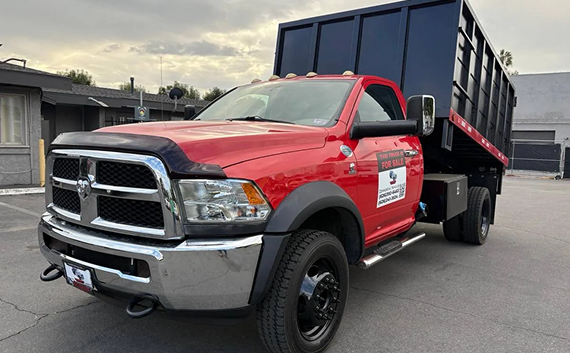
Not every hauling business starts with a factory-built dump truck. Plenty of successful operators begin with a bare chassis cab or a flatbed they already own, then add the hydraulic muscle that transforms it into a productive dumping rig. A quality dump-system upfit can be the difference between a truck that simply carries material and one that unloads it in seconds, saving your crew hours of backbreaking shovel work on every single job. Getting that conversion done right, however, takes more planning than most first-timers expect.
Why an Upfit Often Beats Buying New
The appeal of adding a dump body to an existing truck comes down to control and cost. Instead of paying for a complete factory unit, you can start with a chassis you already trust, or buy a clean cab-and-chassis at a lower price, then spec exactly the body and hoist system your work requires. You choose the bed length, material, sidewall height, and hydraulic capacity rather than settling for whatever configuration happens to be on the lot. For fleets standardizing on a single chassis platform, upfitting keeps maintenance and parts simple across every vehicle.
There’s also flexibility in timing. A well-planned conversion lets you upgrade a workhorse you’re already comfortable with rather than starting your relationship with a brand-new truck from scratch. If the chassis has plenty of service life left, an upfit stretches your investment much further.
The Core Components of a Dump System
A professional installation is more than just bolting a bed onto a frame. Several components have to work together seamlessly. The dump body itself comes in steel for maximum durability or aluminum for reduced weight and better payload. The hoist, typically a scissor, telescopic, or subframe design, determines how much weight you can safely lift and at what angle. A power take-off unit draws energy from the transmission to run the hydraulic pump, and the pump, cylinders, valves, and control system tie the whole operation together.
Getting the sizing right is critical. An undersized hoist will struggle with dense loads like wet gravel or concrete, while an oversized system wastes money and adds unnecessary weight. A good installer matches the hoist rating to your chassis capacity and the material you haul most often.
Staying Legal and Safe on California Roads
This is where professional expertise pays for itself. Demand for quality dump-system installation in Los Angeles has grown alongside the region’s constant construction and landscaping activity, but not every shop does the work to code. California has specific requirements around weight distribution, lighting, safety props, and hydraulic standards, and an improperly balanced dump body can throw off your axle weights enough to make the truck illegal to operate or dangerous to drive.
A reputable installer accounts for weight distribution front to rear, ensures the finished vehicle stays within its Gross Vehicle Weight Rating, and installs the safety equipment that keeps your crew protected. That includes body props to hold the bed up during maintenance, proper cab-shield protection, and DOT-compliant lighting and reflective marking. Cutting corners here can cost you far more in fines, downtime, and liability than you’d ever save.
What to Look For in an Installer
Choose a shop with genuine hydraulic experience, not just general fabrication skills. Ask how many dump conversions they complete each month, whether they warranty their hydraulic work, and if they can show you completed vehicles similar to what you need. A capable installer will ask you detailed questions about your typical loads, your chassis specs, and how you plan to use the truck before quoting anything. Vague answers or a one-size-fits-all quote are red flags.
Turnaround time and parts availability matter too. A shop that stocks common hoists, bodies, and hydraulic components can get you back to work far faster than one that has to special-order everything for every job.
The Bottom Line
Upfitting a chassis with a professional dump system is one of the smartest ways to build hauling capability on your own terms. Done properly, it delivers a truck perfectly matched to your work, keeps you legal on California roads, and protects the people operating it. The key is trusting the job to specialists who understand both the hydraulics and the regulations. The team at Dump Truck Kings brings that expertise to every conversion, helping you spec, build, and outfit a rig that earns its keep from the very first load.
Frequently Asked Questions
1. Can any truck be converted into a dump truck?
Most cab-and-chassis and many flatbed trucks can be upfitted, but the chassis must have adequate frame strength, GVWR, and a compatible power take-off provision. A qualified installer will confirm your truck is a suitable candidate before starting.
2. How long does a dump-system installation take?
A straightforward conversion typically takes several days to a couple of weeks, depending on the components, whether parts are in stock, and the complexity of the hydraulic setup.
3. Steel or aluminum dump body, which should I choose?
Steel is more durable and better for abrasive materials like rock and concrete. Aluminum weighs less, allowing more payload and resisting corrosion, but costs more. Your typical load type should guide the choice.
4. Will adding a dump body affect my truck’s legal weight rating?
Yes. The body and hoist add weight and shift your load distribution, so a proper installation keeps the finished truck within its GVWR and axle limits. This is a key reason to use an experienced installer.
5. Do I need any special license to drive an upfitted dump truck?
That depends entirely on the truck’s Gross Vehicle Weight Rating. If the finished vehicle stays at or below 26,000 pounds, a standard driver’s license is sufficient in most cases. Above that threshold, a commercial license is generally required.
