 Compare
Beat the Licensing Barrier: How to Buy a Dump Truck Without a CDL
A practical guide for contractors, landscapers, and small business owners who want hauling power without the commercial license hurdle
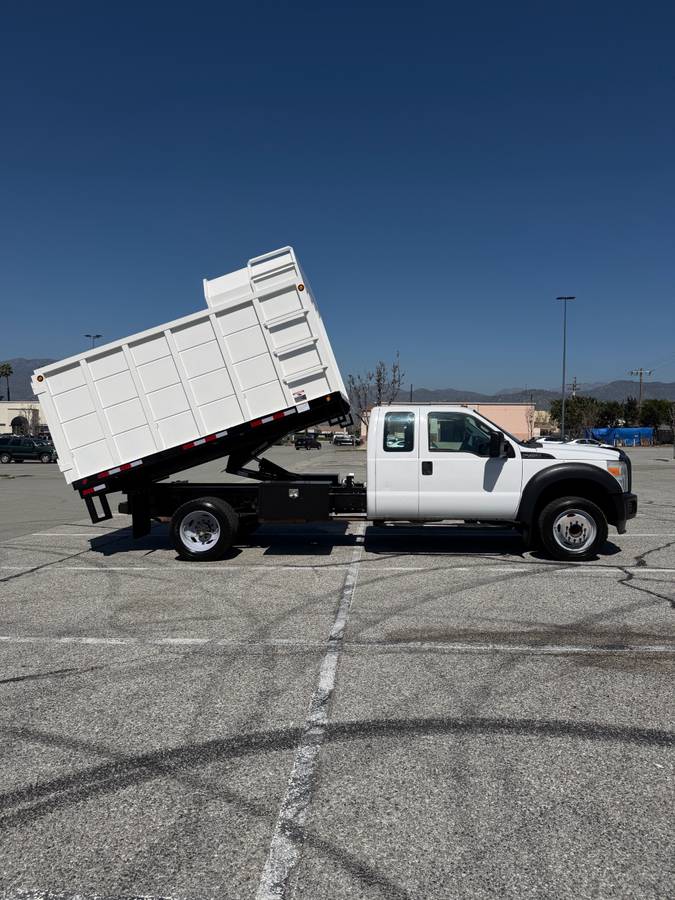
For years, anyone who wanted to move dirt, gravel, mulch, or debris assumed they needed a commercial driver’s license before they could even think about owning a dump truck. That assumption keeps a lot of capable, hardworking people out of the game. The good news is that it simply isn’t true anymore. A growing category of light- and medium-duty dump trucks are built specifically to stay under the weight thresholds that trigger CDL requirements, which means you can put a real workhorse in your fleet using nothing more than a standard driver’s license.
Understanding how this works starts with the numbers. In most states, a commercial driver’s license is required once a vehicle’s Gross Vehicle Weight Rating (GVWR) crosses 26,001 pounds. Manufacturers have responded by engineering trucks that top out right below that line, typically in the 19,500 to 26,000-pound range. These trucks still carry meaningful payloads, often between four and seven cubic yards, which is plenty for residential jobs, small commercial projects, and general property maintenance. You lose very little practical capability, and you skip the months of study, testing, medical certification, and ongoing compliance that a CDL demands.
This is exactly why demand for no CDL dump trucks for sale has climbed so sharply among independent operators and growing crews. The math is straightforward: instead of hiring a licensed driver at a premium or waiting to earn your own certification, you can get behind the wheel immediately and start billing for hauling work. For a landscaper who currently subcontracts every dirt delivery, or a contractor tired of renting by the day, that shift can pay for the truck itself within a single busy season.
When you start shopping, focus on the details that actually affect your day-to-day operation. Chassis brands like Isuzu, Hino, Ford, and Ram dominate this segment, and each pairs a reliable diesel or gas engine with a dump body sized to keep the whole rig legal for standard-license drivers. Pay attention to the dump body construction, hydraulic lift capacity, and whether the bed is set up for the material you’ll haul most. A steel body handles rock and concrete abuse well, while an aluminum body cuts weight and lets you carry a little more before hitting your limit.
Payload rating deserves a careful look, too. It’s easy to be impressed by bed volume, but the number that matters is how much weight you can legally and safely carry once the truck, fuel, driver, and any equipment are accounted for. Ask for the exact GVWR and curb weight so you can calculate your true usable payload. A truck advertised as “no CDL required” still needs to be operated within its rating, and overloading it not only creates a safety hazard but can also void that license exemption if you push the loaded weight over the threshold.
Buying used is a smart entry point for many small operators. A well-maintained truck with documented service history can deliver years of dependable work at a fraction of the cost of new. Request maintenance records, inspect the hydraulic system for leaks, check the frame for rust or prior repairs, and take it for a loaded test drive if possible. New trucks, on the other hand, offer warranty coverage, the latest emissions and safety technology, and the ability to spec the exact configuration you want. Neither choice is wrong; it comes down to your budget and how quickly you need the truck earning its keep.
Financing is more accessible than most first-time buyers expect. Because these trucks are classified below the commercial threshold, lenders often treat them more like a work truck than heavy equipment, which can mean simpler approval and competitive rates. Combine that with the immediate revenue potential, and the barrier to entry drops dramatically.
At the end of the day, the freedom to haul on your own terms shouldn’t hinge on an expensive, time-consuming license. Whether you’re expanding a landscaping operation, launching a junk-removal service, or simply tired of paying someone else to move your materials, a license-free dump truck puts control back in your hands. The team at Dump Truck Kings specializes in matching buyers with the right rig for their workload and budget, so you can spend less time navigating regulations and more time getting the job done.
Frequently Asked Questions
- Do I really not need a CDL to drive these trucks?
Correct. As long as the truck’s GVWR stays at or below 26,000 pounds and you operate it within that rating, a standard driver’s license is all most states require. Always confirm your local regulations, since a few states have their own nuances. - How much can a non-CDL dump truck actually carry?
Most models haul between four and seven cubic yards, which translates to roughly three to five tons of material depending on the truck. That’s ample for residential and light commercial hauling. - What jobs are these trucks best suited for?
They shine in landscaping, dirt and gravel delivery, debris and junk removal, small demolition cleanup, and general property maintenance where a full-size commercial truck would be overkill. - Is it cheaper to buy new or used?
Used trucks offer the lowest upfront cost and are ideal if the maintenance history checks out. New trucks cost more but include warranty coverage and let you spec the exact configuration you need. - Can I finance a non-CDL dump truck?
Yes. Because these vehicles fall below the commercial weight threshold, financing is often straightforward, with terms similar to those for a heavy-duty work truck rather than large commercial equipment.
